 1133 Budapest, Tutaj u. 6/b, Cézár-Ház
 Opening hours: Mo-Fr 08:00-20:00
 Contact: +36 1 801 2250

Recommended for you
“We would like to inform our patients that our therapeutic gnathology clinic is currently suspended; however, our prosthodontic specialists carry out all treatments with a gnathological approach, with precise adjustment of the bite.”
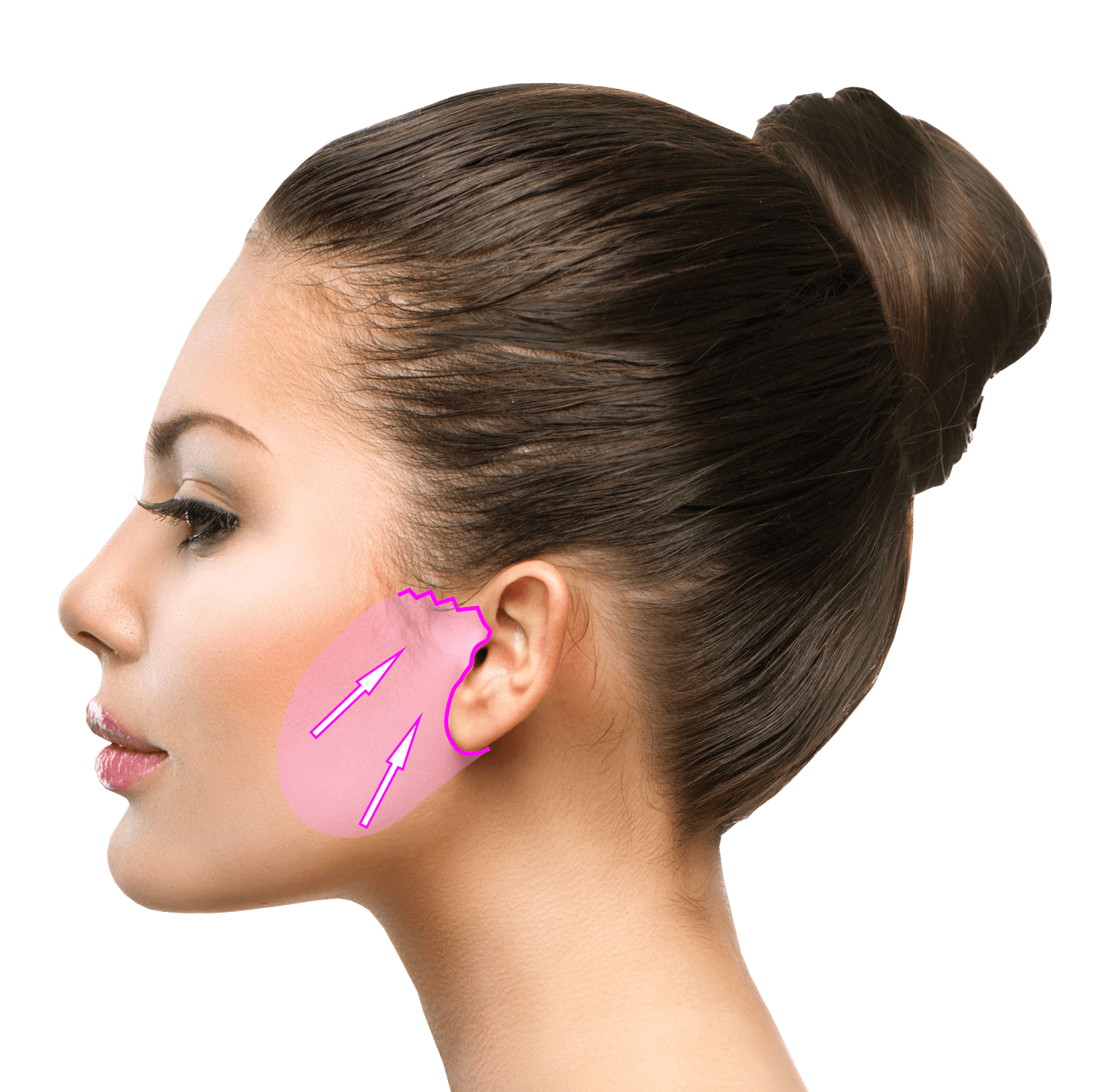
What does a gnathologist examine?
The dentist specialising in this field examines pain in the jaw and chewing muscles and functional disorders of the entire head and neck region (craniomandibular), as well as their symptoms and changes. They determine the closure of the teeth at which the jaw joint is in the correct resting position, and plan treatment accordingly.
At the first examination, the dentist checks several things, but the most important is determining the position of the jaw, which is essentially the starting point for the right therapy. From this, they make a diagnosis, identify the cause of the complaints and recommend therapy.
1. Checking jaw function and symptoms:
During the examination, the patient performs various exercises. This allows the dentist to examine how the jaw works and the symptoms the patient notices, and to look for other telltale signs that deviate from normal function.
2. Determining the resting position of the jaw:
Gnathology determines the resting position of the lower jaw, which occurs when standing or sitting upright.
- The jaw is in a neutral, tension-free, comfortable position. The upper and lower teeth are 2–5 mm apart.
3. Centric occlusion – determining comfortable closure of the teeth:
- With the teeth closed, the relationship between the opposing tooth surfaces (grooves, cusps) is checked and examined. The aim is to find the optimal closure that provides the largest contact area.
If comfortable closure of the teeth is given by the natural grooves of the teeth, it is important that with the restored tooth – with a filling, a new restoration or an implant – we reconstruct the comfortable bite height and closure of the teeth, otherwise we overload the teeth, the jaw joint and the chewing muscles.
However, in cases where the bite is faulty from the start and teeth are missing, so that the load on the teeth is unbalanced, with a special bite-raising appliance we can correct the bite height and set a healthy closure of the teeth. If necessary, fillings, crowns and restorations are then made to this adjusted position.
Prosthodontic considerations require extremely precise planning from the dentist, which is why it is also important that the patient is treated according to the gnathology specialist’s recommendations.
How are gnathological examination and therapy carried out?
Although gnathology is still a lesser-known field of dentistry among patients, specialists are placing increasing emphasis on treating their patients holistically.
At our clinic, this means that beyond fillings and aesthetic zirconia crowns, our dentists work with a gnathologist to restore or establish a correct and comfortable bite from the point of view of the whole body, and use special night-time bite splints to artificially help relieve strain on the teeth and jaw.
As a result, fillings and restorations will serve the patient as well as possible, and we will not overload the jaw prematurely.
Recommended for you
Why does my tooth hurt if it isn’t decayed?
- Before assuming the worst about your toothache, find out what else besides jaw problems can cause toothache and what the solution might be.
Causes of jaw pain – these lead to jaw joint dysfunction
Abnormalities experienced when chewing and moving the jaw often affect the whole body and posture, and the reverse is also true. Poor posture affects the jaw and our teeth.
1. Processes that affect the masticatory system and increase the development of dysfunction:
- depression, stress,
- inherited or acquired bite irregularities (e.g. deep bite, open bite, joint overload caused by tooth loss)
2. Direct effects that are directly responsible for the problem:
- car or bicycle accidents, blows to the body,
- bruxism: grinding at night, jaw clenching,
- bad habits: nail biting, chewing pencils, pipe smoking.
3. Factors that hinder treatment and maintain the condition:
- Clenching and teeth grinding,
- excessive chewing gum,
- incorrect head and body posture,
- stressful situations, emotionally unstable patients.
How can stress cause dental problems?
We have to get used to stress in our lives from a very early age. However, getting used to it only avoids long-term health problems if we release the tension left over after negative experiences, or learn to channel it.
Conscious stress management and releasing tension can be done, for example, with the help of a professional, or through sport, meditation or leisure activities that create a calm, relaxed state.
1. If we don’t consciously release the tension caused by stress, in many cases those around us suffer from outbursts of anger, arguments and breaking things. What’s more, the situation created in this way generates further tension.
2. The third case is when we are not aware of the built-up tension and just “store” it. In this case, the harmful energy trapped in our body shows itself in the form of psychosomatic illness or symptoms. E.g. heart rhythm disorders, asthma, irritable bowel syndrome, marked changes in head and neck muscle tone, clenching the teeth, grinding at night, etc.
Recommended for you
What should I do if I’m afraid of the dentist? Tips for stress-free treatment!
- Easy, quick, anxiety-relieving techniques to prepare yourself for treatment.
Why is it important to pay attention to habits that harm our teeth?
In everyday life, we may have many bad habits that we are not even fully aware of, yet in the long term they can cause dental problems.
It is also possible that a seemingly harmless habit remains from childhood and we have no idea that it can affect our teeth.
Overall, however, they generally appear in stressful situations, but when stress becomes constant – for example because of an exam period or a difficult life situation – we are talking about lasting harmful effects, so it is important to become aware of them.
Telltale everyday habits:
- teeth grinding
- teeth clenching
- teeth tapping
- lip sucking
- lip biting
- cheek biting
- chewing objects (nail biting, pen chewing)
Which symptoms mean you should see a dentist?
1. If your jaw hurts:
- In the case of jaw pain, joint pain, chewing muscle pain or pain in front of the ears, be sure to seek professional help.
- Later, this pain gets worse with chewing and jaw movement.
- Research has shown that chronic pain also makes everyday life more difficult. People living with persistent pain also struggle with depression or anxiety.
2. If the movement of your jaw changes:
- The range of jaw movement decreases, opening the mouth becomes difficult, lockjaw may occur, or because the joint is too loose, the jaw dislocates.
3. If the movement of the joint becomes audible:
- Clicking and cracking of the joint and jaw can be clearly heard when opening the mouth or chewing. This may seem harmless at first, but over time it can even become painful.

+1 Other accompanying symptoms that indicate CMD or a jaw problem:
- Facial pain, tension headaches (pain at the back of the head or a band-like pressure), migraine, tinnitus, hearing problems, dizziness, visual disturbances, severe wear of the chewing surfaces and incisal edges of the teeth, shell-like wear of the enamel at the necks of the teeth.
3 steps to avoid serious jaw disorders
So poor posture, a bad habit or a bite irregularity can cause many problems which, as they become permanent over time, pose a constant challenge and often cause anxiety in our lives. It is much harder to face challenges and perform at work or in an exam if we have to live with one or more unpleasant symptoms for a long time.
1. Regular dental check-ups and scaling every 6 months.
2. During stressful periods and life situations, try to release tension in alternative ways through sport, leisure activities or with a mental health professional.
3. In the case of CMD symptoms, jaw problems, bruxism – grinding at night, jaw clenching – bite problems, or facial and head pain of unknown origin, see a dentist immediately.
Gnathology – When the body needs a holistic approach to dentistry
The past decade at Clinident Dental Centre has been about continuous development and professional growth. It is important to us that our patients receive comprehensive treatment, the main principle of which is a personalised treatment protocol. So if an expert opinion is needed from fields such as orthodontics, periodontology or oral surgery, we can provide it on site within our own dental team.
Orthodontics and gnathology – is cooperation necessary?
The concept of bite irregularities (deep bite, open bite, crossbite) may already be familiar to those who have worn or wear braces.
However, for those whose problem was not treated with orthodontic treatment, the bite irregularity may even have resulted in incorrect jaw function.
That is why, in such cases, orthodontic treatment started in adulthood may also require the involvement of a specialist.
This page was reviewed by: Dr. Péter Czigler
Recommended for you
Orthodontic treatment for children – when is the right time to start?
- Developing jaws and misaligned teeth in children. When should treatment start?
- Teeth grinding in childhood: signs and treatment of bruxism in schoolchildren.